
CompoFlex compostable packaging: EN 13432 compliant, Vietnam Ecolabel certified
Short answer. CompoFlex is a compostable packaging material made in Vietnam by GPS PLAS. It is EN 13432 compliant and CompoFlex bags hold the Vietnam Ecolabel, certificate code VN-ECO-2026-004.
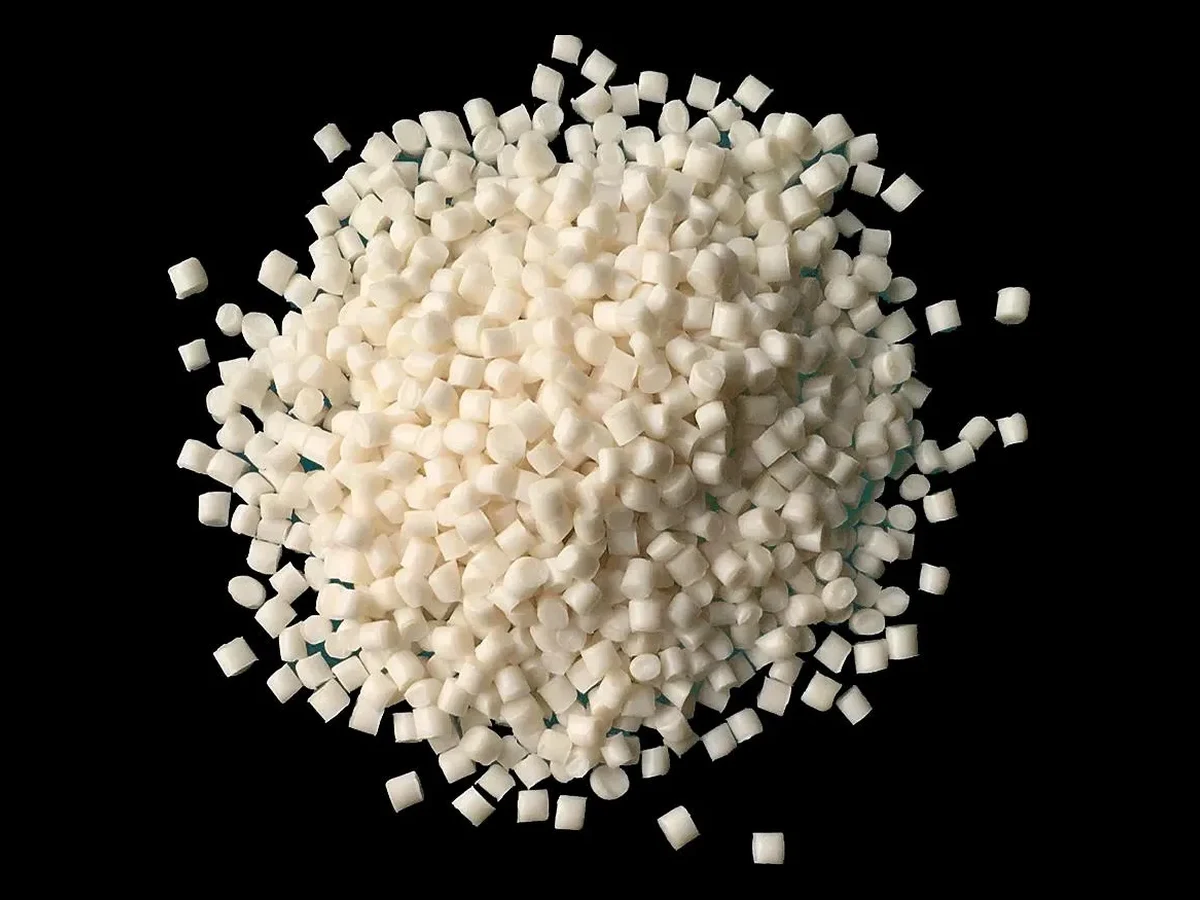
CompoFlex key properties
PBAT based
PBAT compounded with starch or mineral, in house.
Compostable
Home Compostable or Industrial Compostable.
Translucent
Colours possible, print up to 4 colours.
9 to 12 months storage
Store cool, dry, first in first out.
Two grades: Home Compostable or Industrial Compostable
CompoFlex Home
PBAT with starch or mineral
- Home composting
- TÜV AUSTRIA OK compost HOME
- 9 to 12 months storage time
CompoFlex Industrial
PBAT with starch or mineral
- Industrial composting
- ARCHA and TÜV Rheinland tests, EN 13432 compliant
- 9 to 12 months storage time
Common to every grade
Compostable, biodegradable and "tự hủy" are different things
Getting this wrong is how a supermarket ends up printing an eco claim on a bag that breaks into fragments.
"Tự hủy" (oxo-degradable)
Ordinary PE with an additive that makes it crumble under heat and light. It fragments into small pieces of plastic. The EU Single-Use Plastics Directive (2019/904) bans it.
Biodegradable
Microorganisms turn the material into CO2, water and biomass. The word alone says nothing about time or setting: always ask which standard and how many days. BioFlex passed in 227 days, so we never call it compostable.
Compostable
A stricter claim. The material must biodegrade within a fixed time in composting conditions, break down physically and leave compost that is safe for plants. EN 13432 is the European reference for packaging.
Runs on standard PE film lines
Temperature profile
Starch does not like long residence times at high heat. We share a starting profile and fine-tune it on your line.
Purging
Clean the line before and after a run so CompoFlex and standard PE do not cross-contaminate.
Storage
Keep bags of resin in a dry, shaded area and use opened bags quickly.
First trial on site
Our team supports the first trial on your line. Ask for the technical data sheet for processing windows.
What we make with CompoFlex
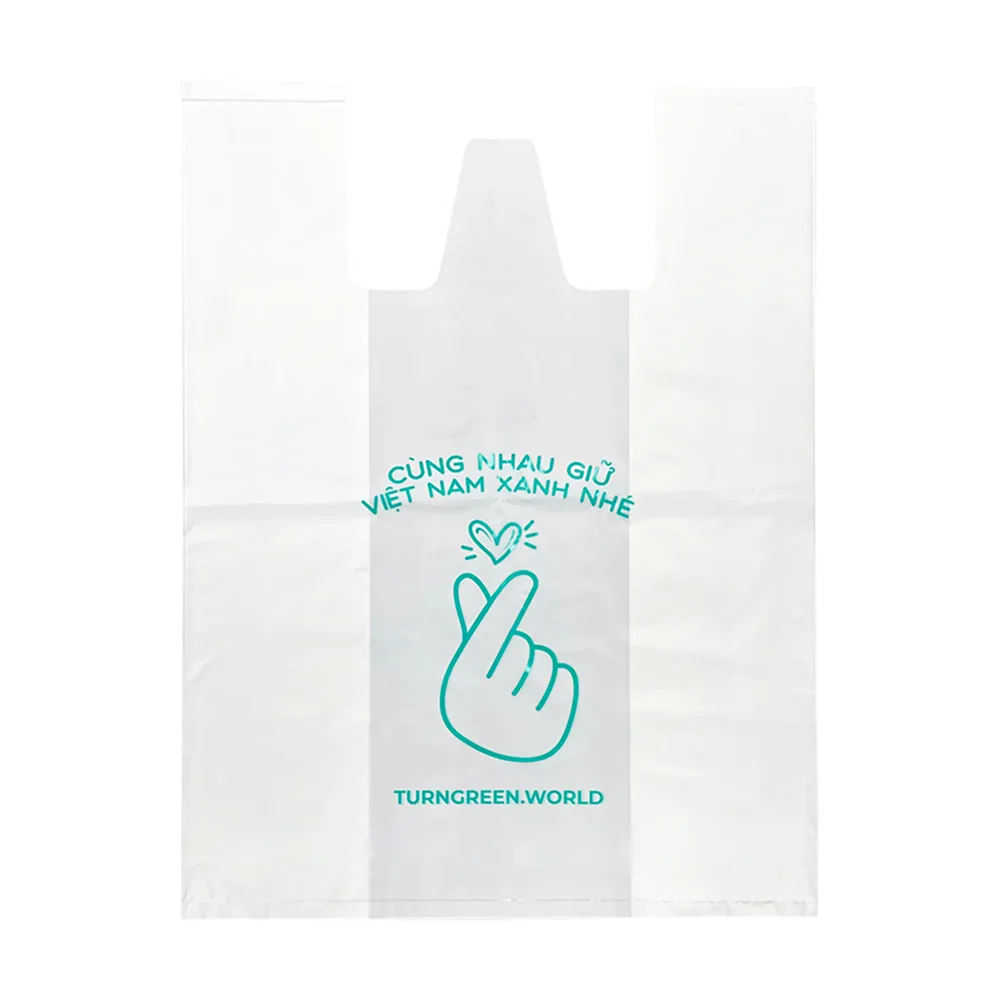
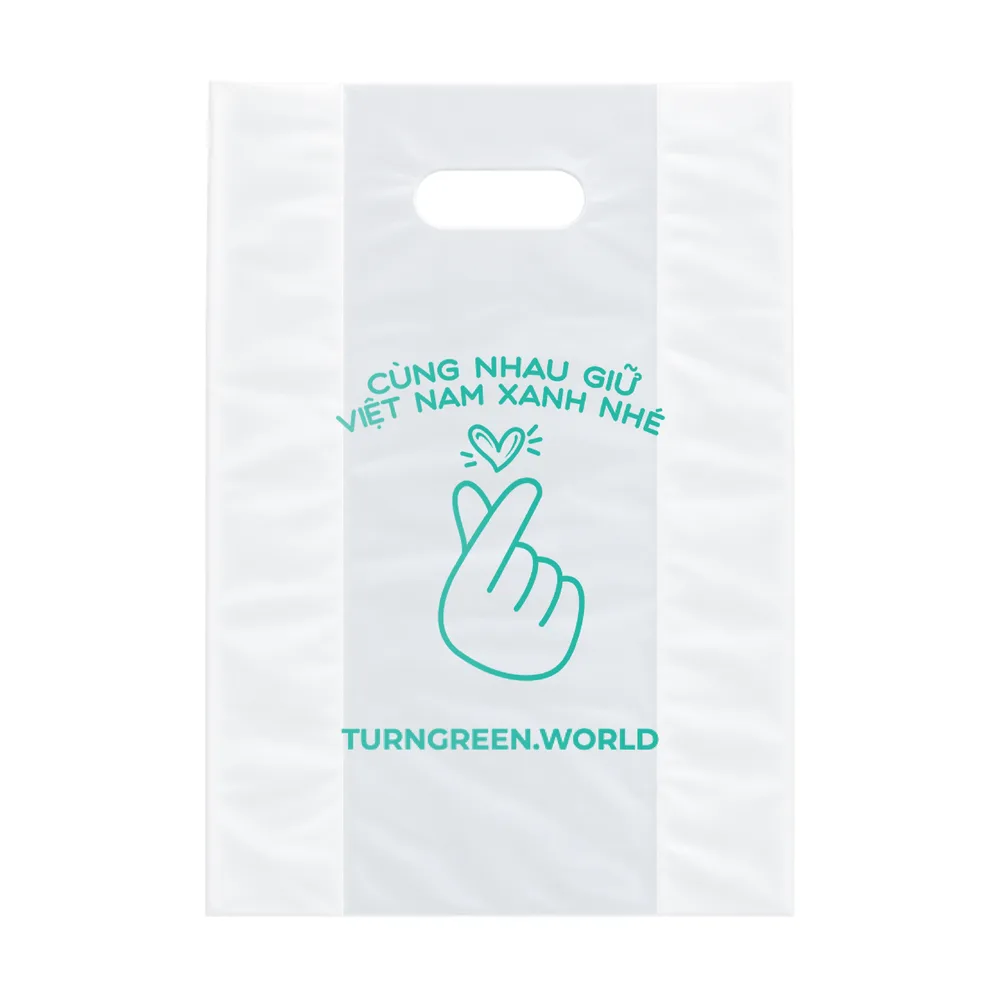
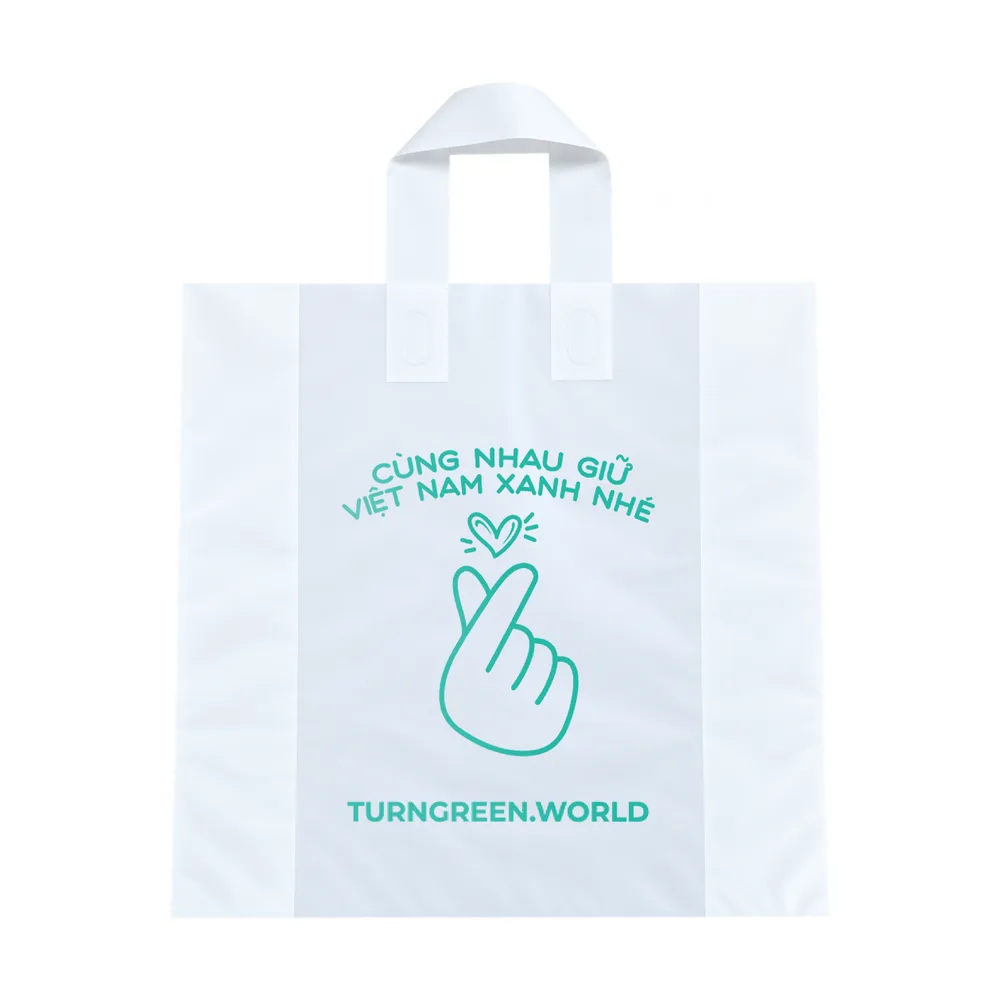
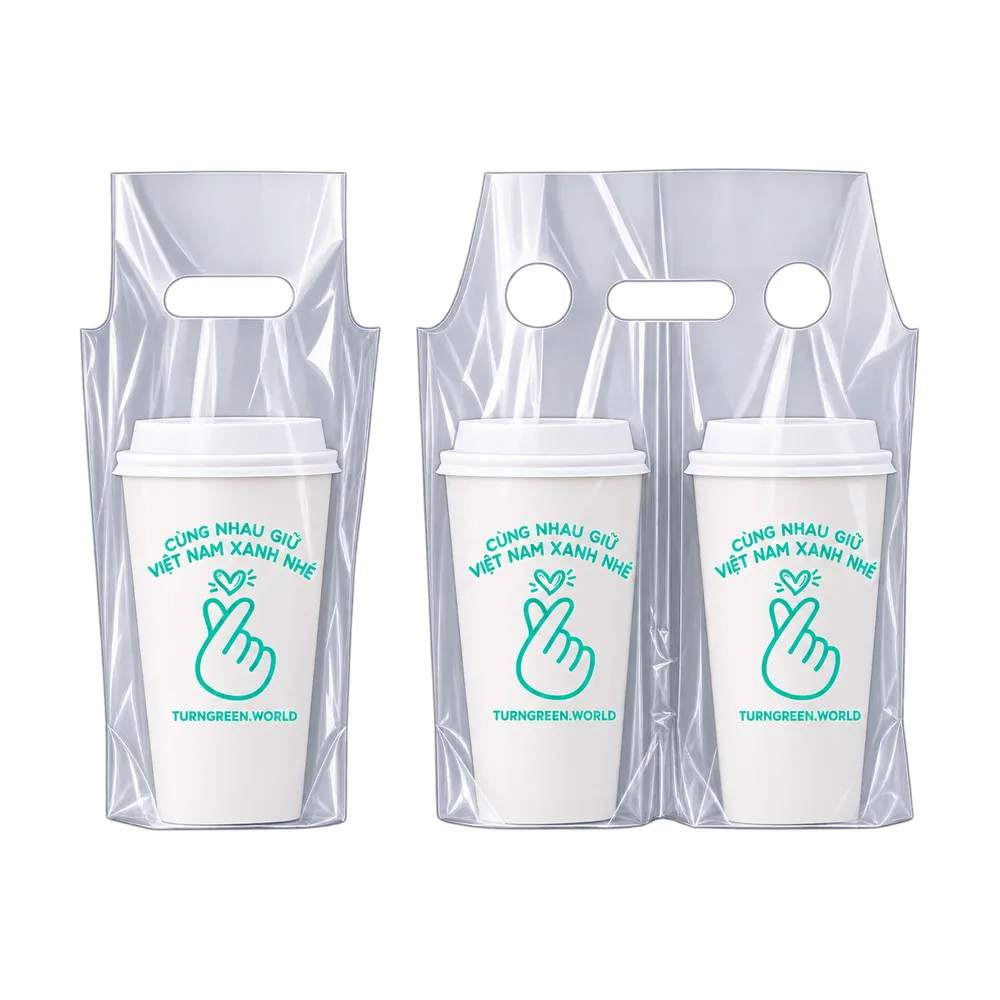
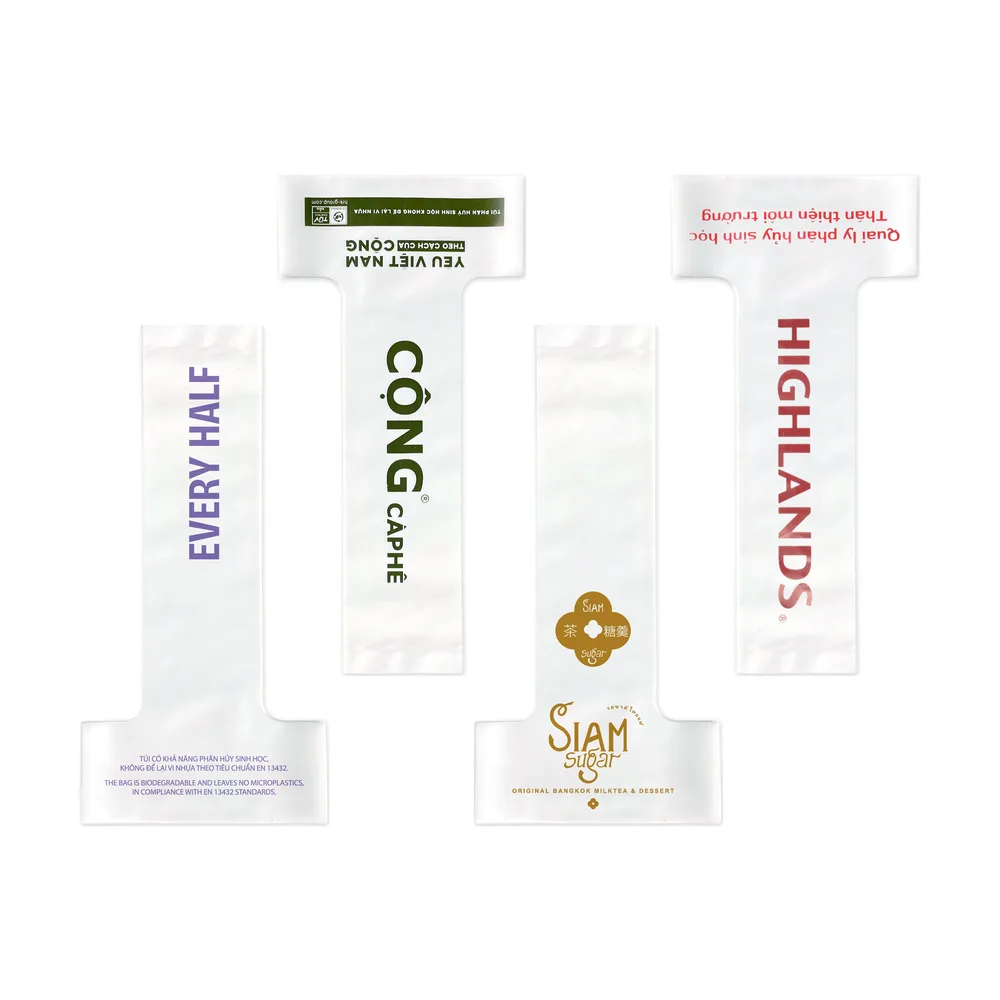
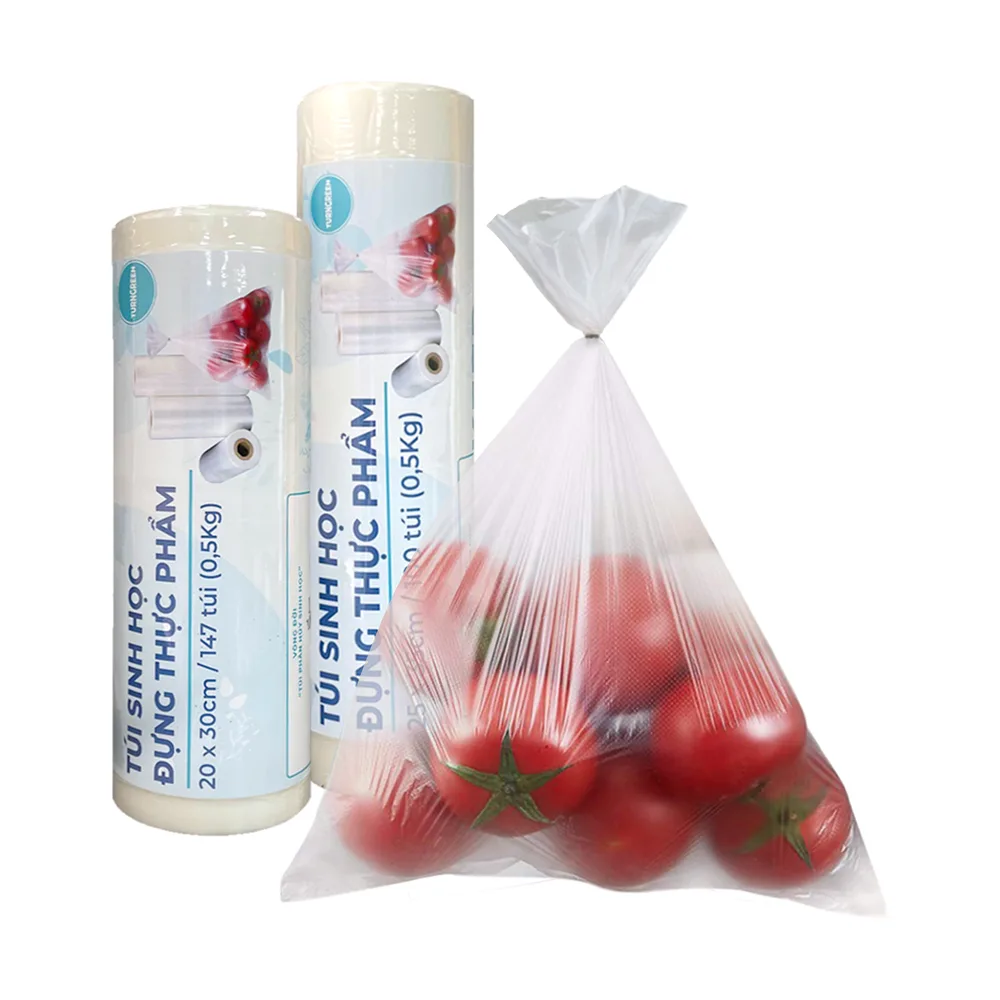
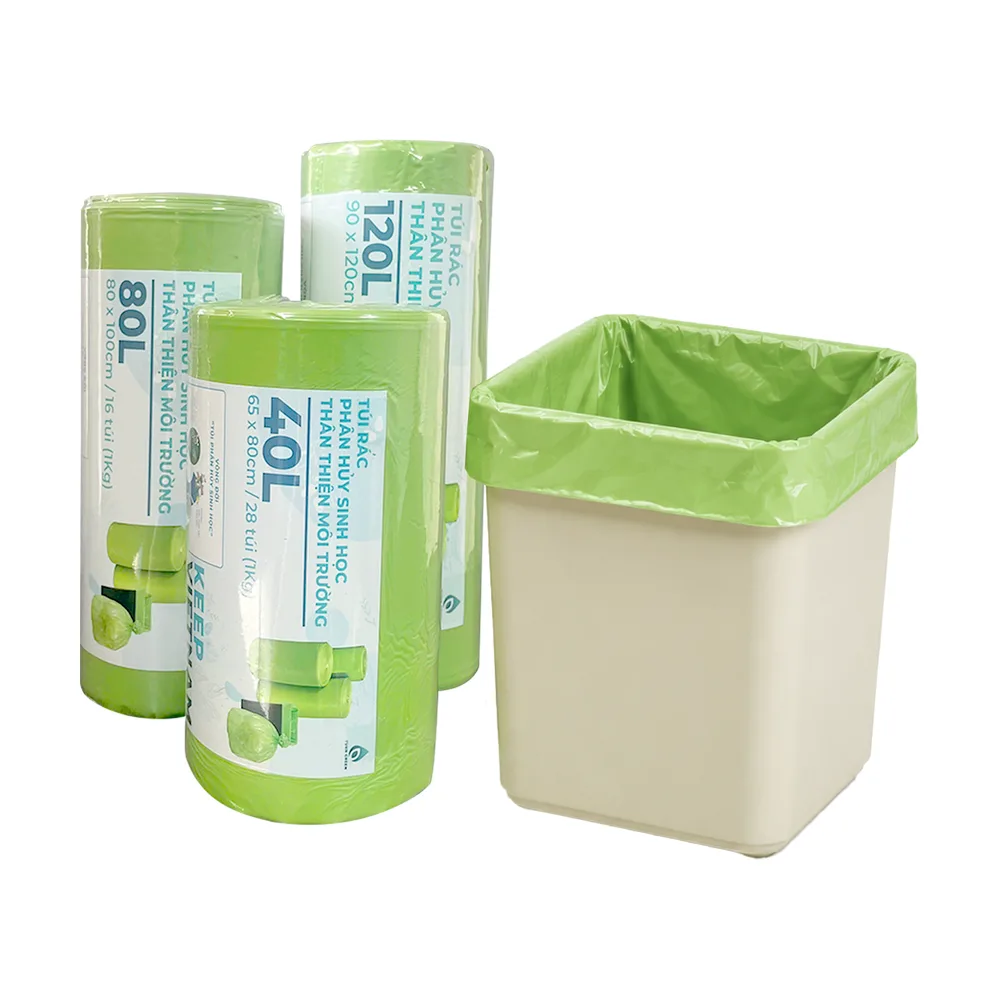
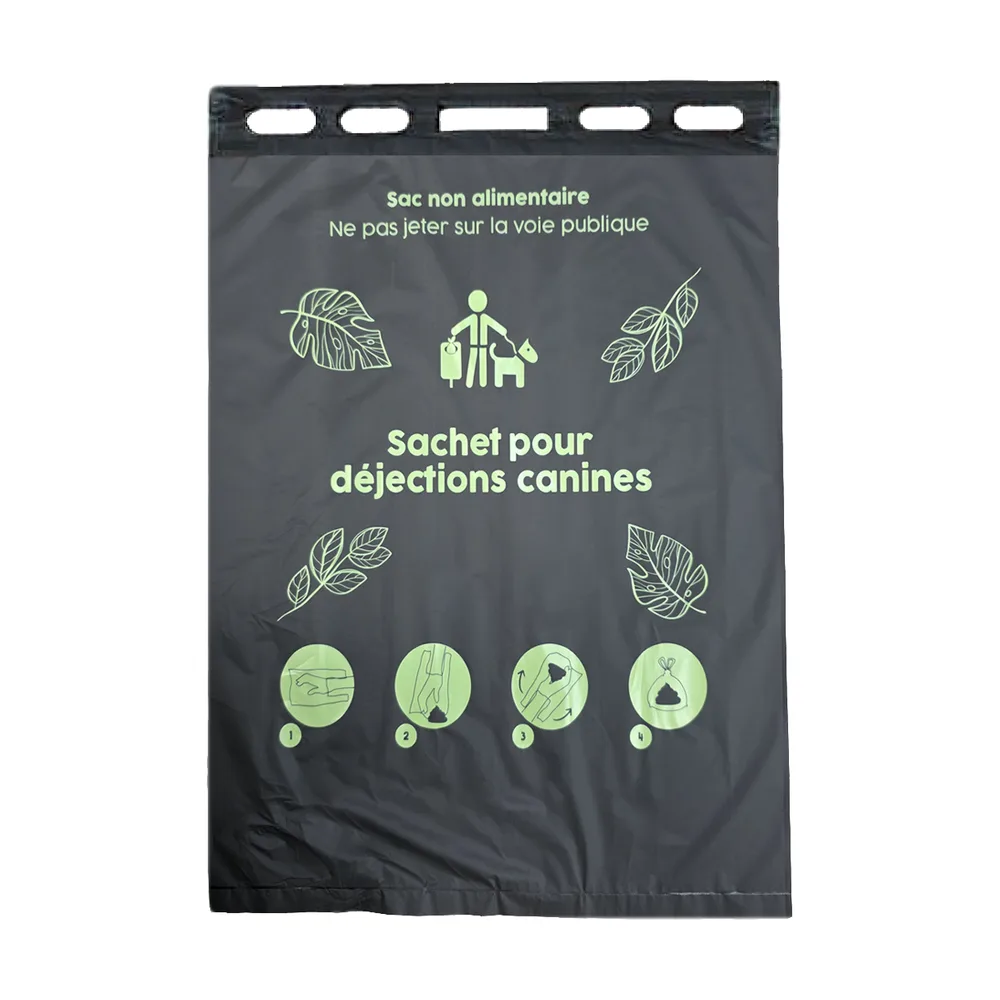
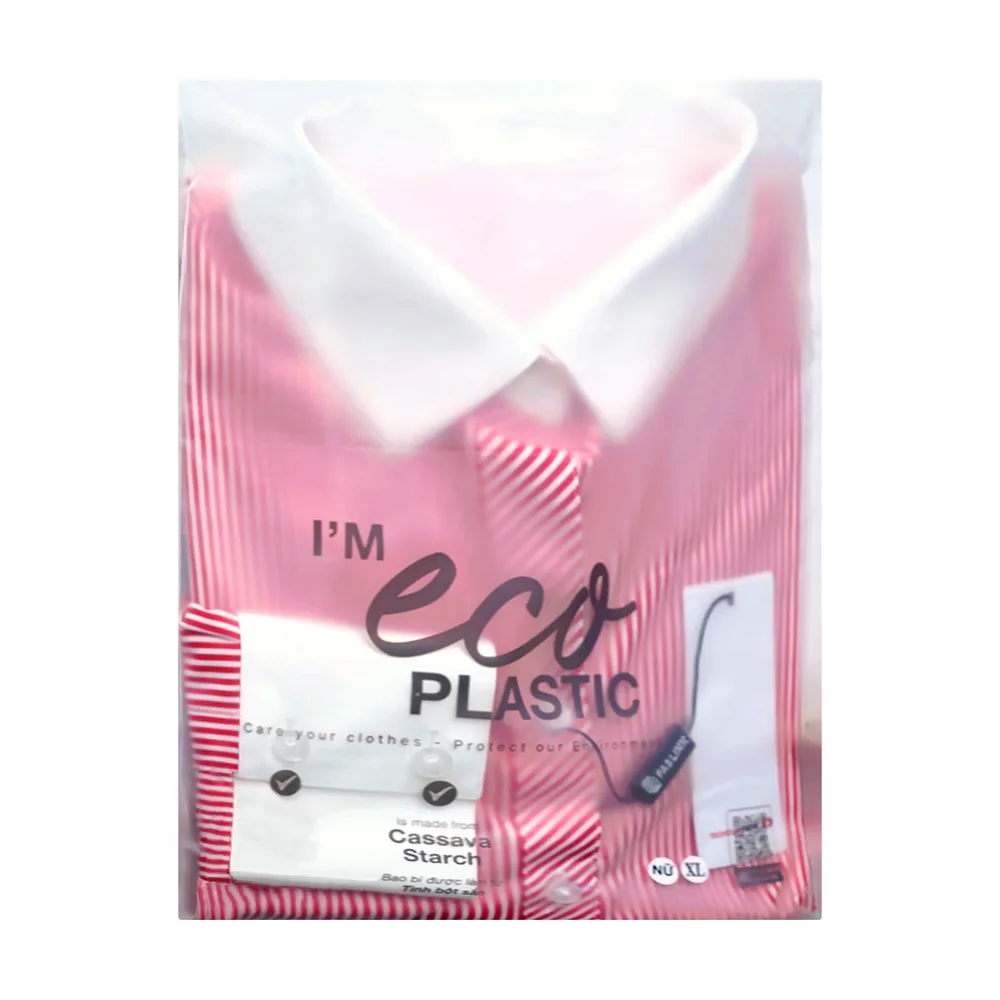
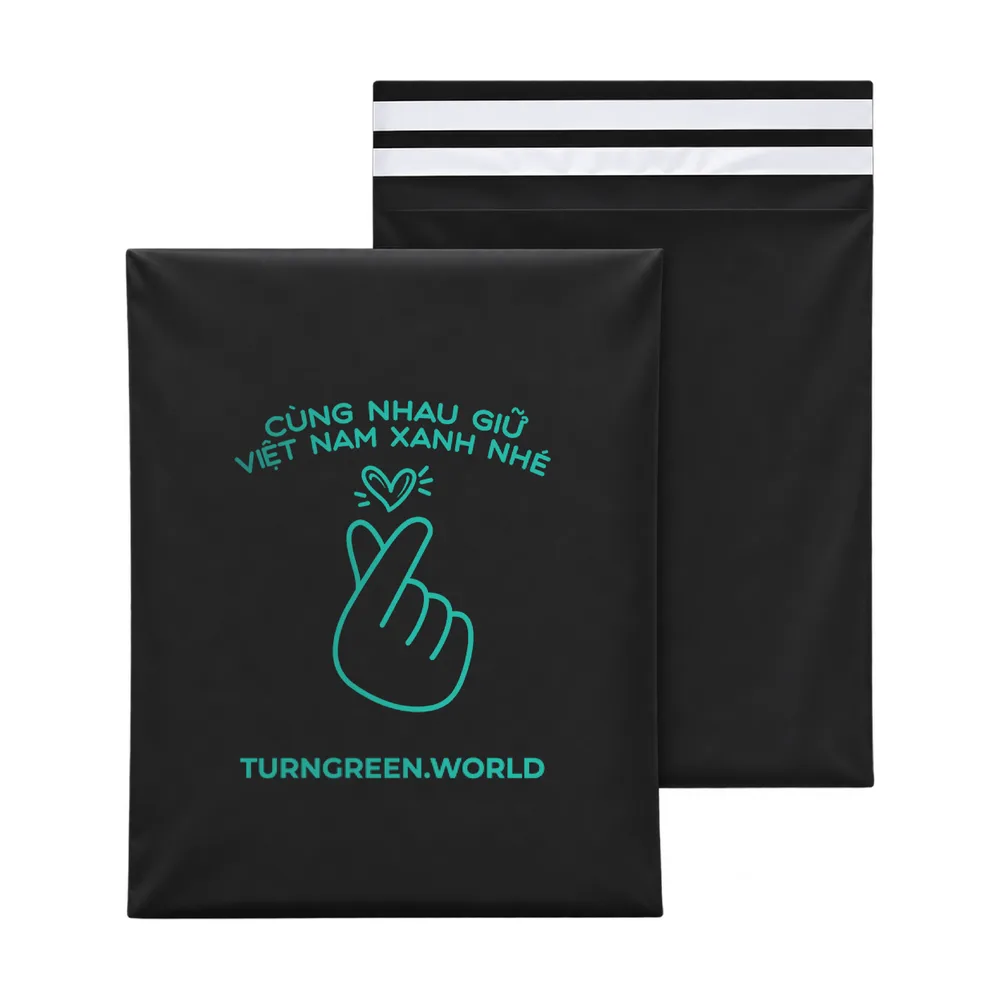
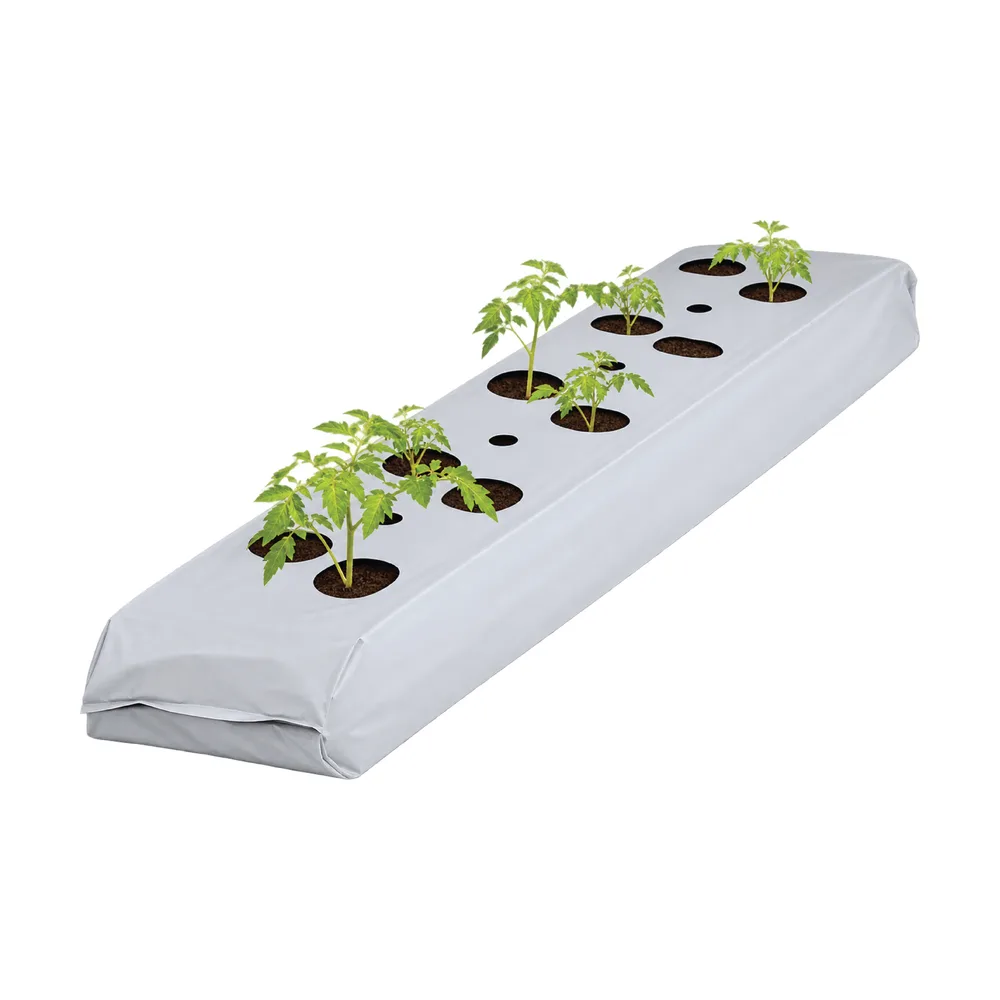
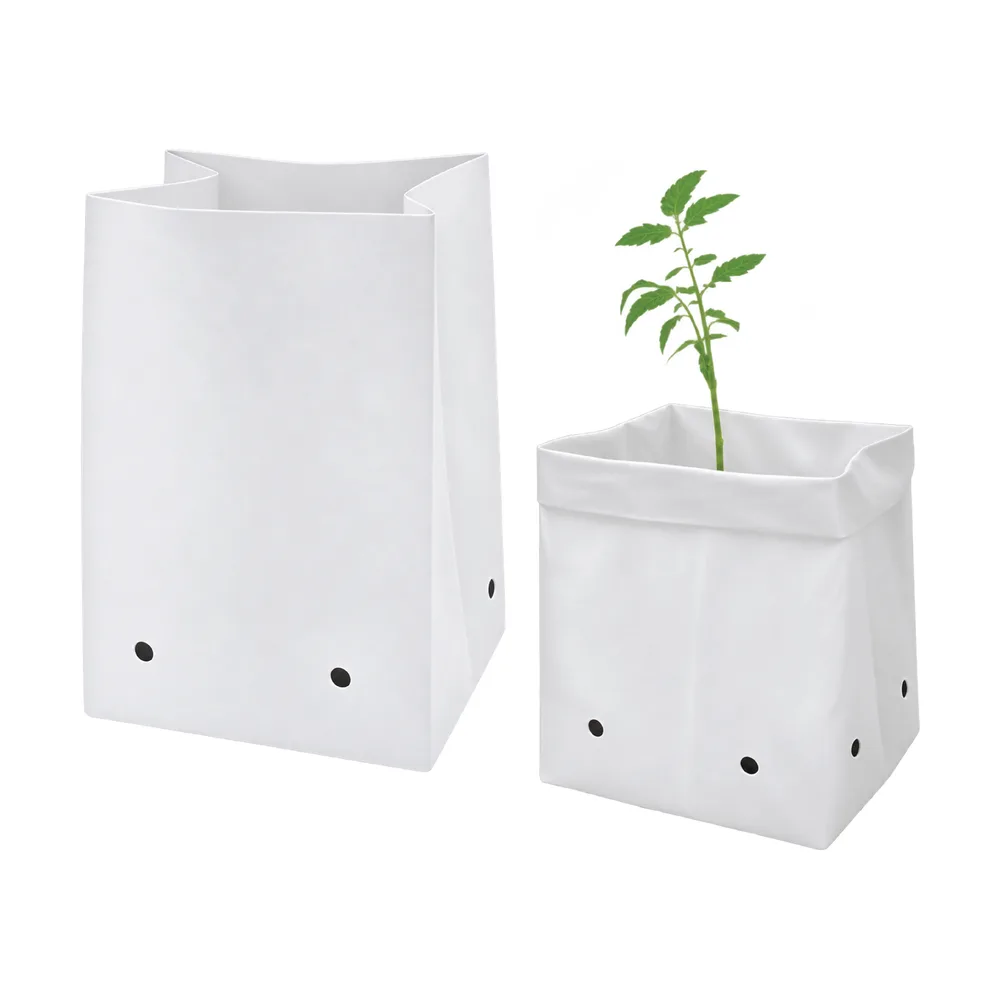
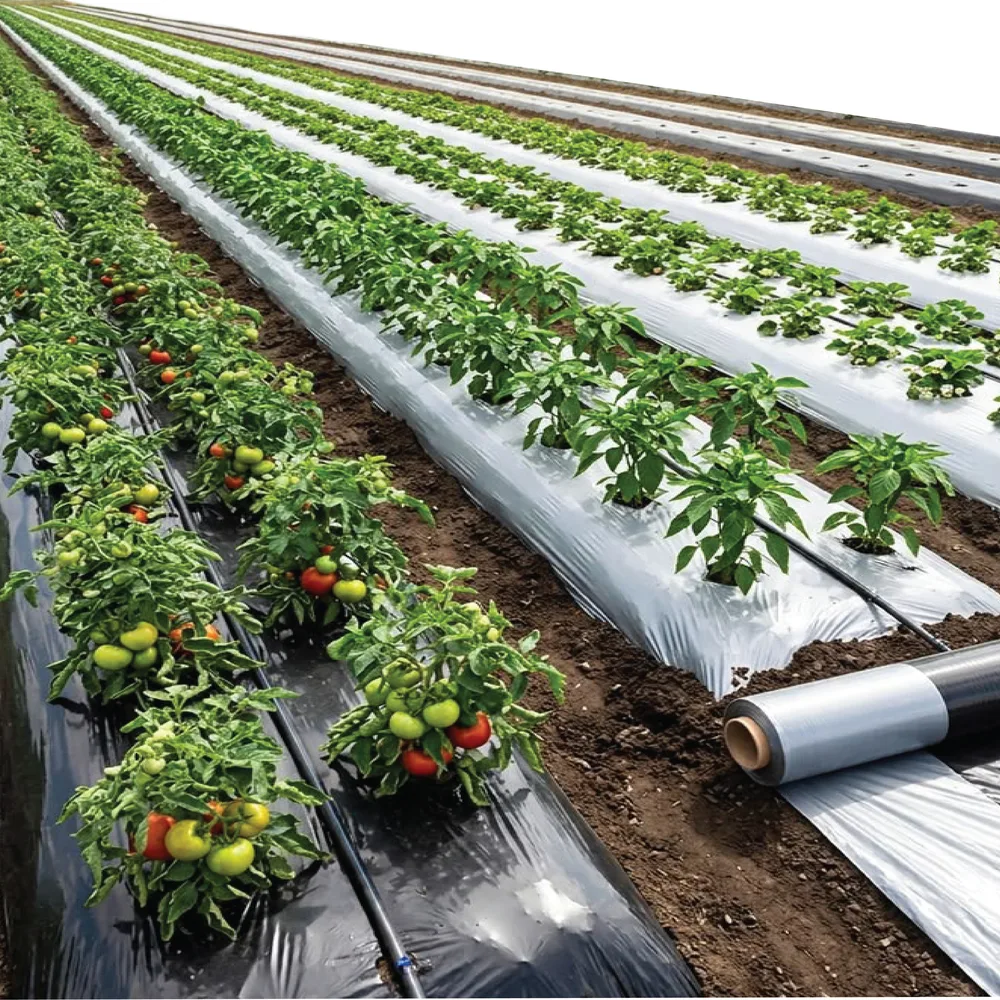
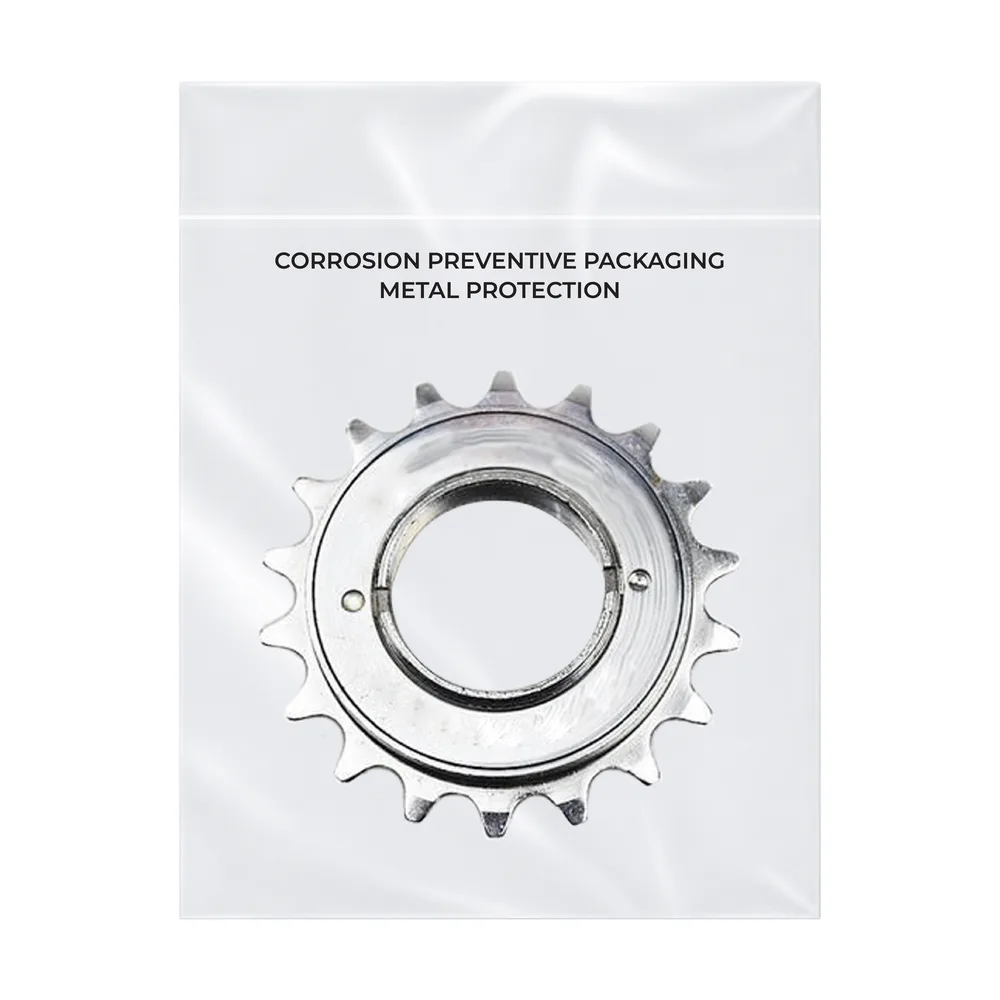
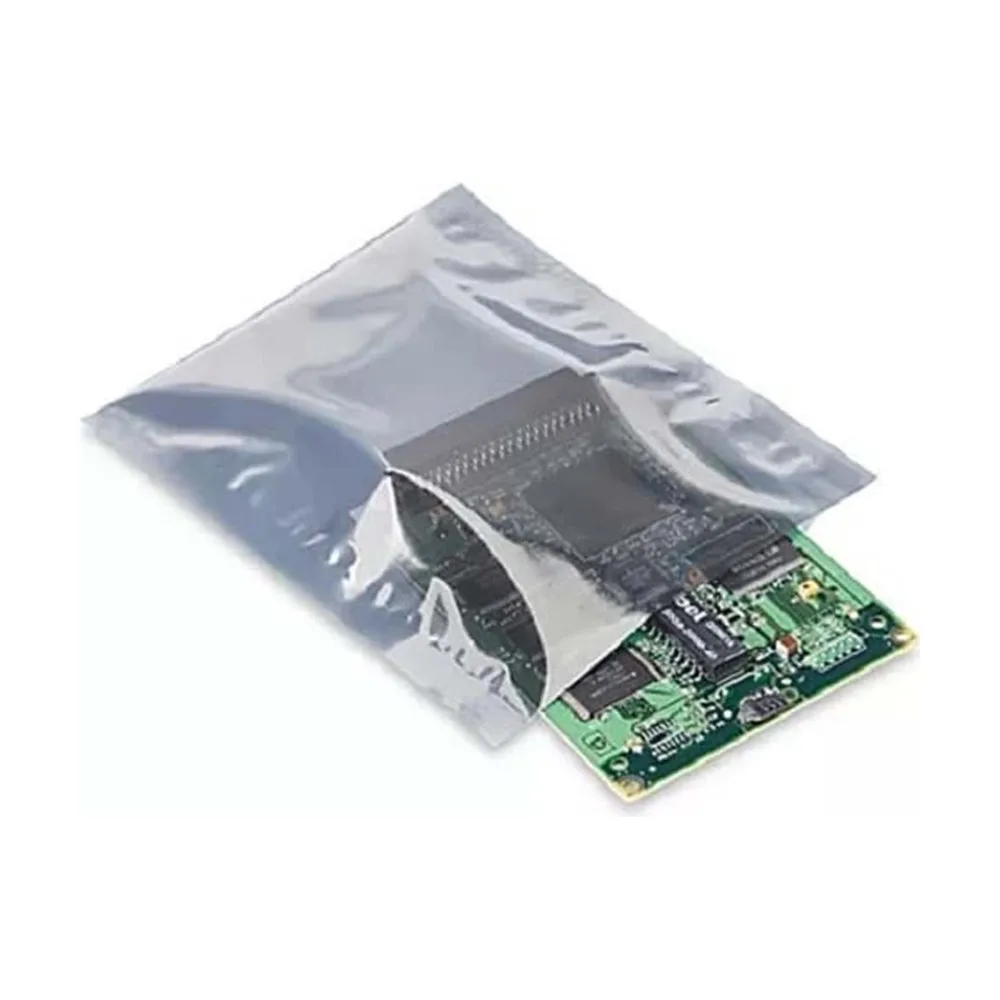
Bags available in CompoFlex
Bags and films we make in CompoFlex.
- T-shirt bags
- Die cut bags
- Shopping bags
- Single and Double cup bags
- Cup carriers Tbag
- Bags on roll
- Waste bags
- Dog poop bags
- Poly bags
- Mailer bags
- Grow bags
- Grow pot bags
- Mulching film
- VCI anti-corrosion bags
- ESD anti-static bags
- Shrink film
- Film on roll
Grow bags, grow pot bags, mulching film and shrink film are made in CompoFlex only. See all products
Resin, film or finished bags
Resin
25 kg vacuum-sealed bags, each packed in a carton box.
Film on roll
Blown film on roll, to your width and thickness.
Finished bags
Converted and printed in our factory, up to 4 colours.
Frequently asked questions
What is the difference between compostable and biodegradable bags?
Compostable bags must biodegrade within 180 days in composting conditions, disintegrate and leave safe compost, as set by EN 13432. Biodegradable only means microorganisms break the material down, with no fixed time limit. Every compostable bag is biodegradable, but not every biodegradable bag is compostable.
Are "túi tự hủy" (oxo) bags biodegradable?
No. Oxo-degradable bags are conventional plastic with an additive that makes them fragment. They break into small plastic pieces instead of biodegrading, and they would not pass EN 13432.
What does EN 13432 require?
Four things: low heavy metals, a biodegradation pass within 180 days, disintegration within 12 weeks, and compost that does not harm plants. It is the European standard for compostable packaging.
How long does a CompoFlex bag take to biodegrade?
CompoFlex was tested to ISO 14855-1 by TÜV Rheinland and passed, within the 180-day EN 13432 limit.
Does CompoFlex carry the Vietnam Ecolabel?
Yes. Decision 2032/QĐ-BNNMT of May 29, 2026 granted certificate VN-ECO-2026-004 to "Bao bì phân hủy sinh học Compoflex", valid for three years.
Can compostable bags be used for food?
CompoFlex food bags passed a Eurofins food contact test (report EFUZ26071295-CG-01) on heavy metal migration, KMnO4 consumption and residue on evaporation. Share your intended use with us so we confirm the right grade.
How should compostable bags be disposed of in Vietnam?
Best with food and garden waste going to industrial composting or organic waste treatment. Where that is not available, they go with household waste, so retailers should explain the disposal route on the bag.
Ask us the hard questions
Which standard, how many days, which lab, which report number. We send CompoFlex report numbers and the ecolabel decision to any buyer who asks.